
All posts
How to build lasting brands in a Social First world

This article was written by Ellie Selkirk, Senior Account Manager at Epoch.
If you want to be truly Social First, stop trying to go viral and start building bonds with your community.
Social First is the phrase du jour. As social media grows exponentially and becomes a driver of cultural trends, brands can’t afford to be socially illiterate.
The problem is “Social First” risks becoming another buzzword in our industry. We’ve all seen the gold-standard case studies, RyanAir, Duolingo, but here’s the truth: if you’re trying to copy other brands, you’ve already missed the point.
Being Social First is about building emotional connections with your audience. Without that, it’s just content for content’s sake. A meme isn’t a strategy. Culture isn’t a trend. It’s something brands and consumers build together.
Be real
Does this feel true to us?
Trends might help you reach more people, but are they always right for your brand? Whilst agility helps brands stay present in cultural moments, it shouldn’t come at the expense of your tone of voice or values.
It’s easier for brands with a humorous or rebellious tone of voice to stay true to themselves in social spaces – it’s a more natural fit for them. For bigger or more functional brands it can be trickier to define a social tone.
There’s a temptation to jump on ALL THE TRENDS and be the funny brand, but people can tell when it’s forced. It’s like when a parent tries to use slang in a sentence or that Steve Buscemi meme. It feels clunky and inauthentic and once that authenticity is lost, any bond you were hoping to build with your audience is too.
Be Distinctive
Will people attribute this to us?
Aside from feeling inauthentic, hopping on trends that aren’t right for your brand canactually make you less distinctive. Dom Boyd of Kantar recently said that “While creator spend is set to double, 80% doesn’t connect back to the brand. That’s a big problem.” If people don’t know it’s you, what is the point? In a world where 60% of ads are attributed to the wrong brand, remaining true to your brand TOV is paramount in cutting through.
Being distinctive on socials means being recognised for your tone of voice, values and style. These should flex with the trends and not disappear into them. When everyone is hopping on the same trending audio or meme, brands can start to blur together. This isn’t to say don’t get involved in the trends, its more thinking of how you can participate but still remain distinctive.
Be Engaged
Are we talking at our community or talking withthem?
Posting into the void isn’t enough. To build bonds, go beyond paid and organic content. Manage your community and interact with your audience.
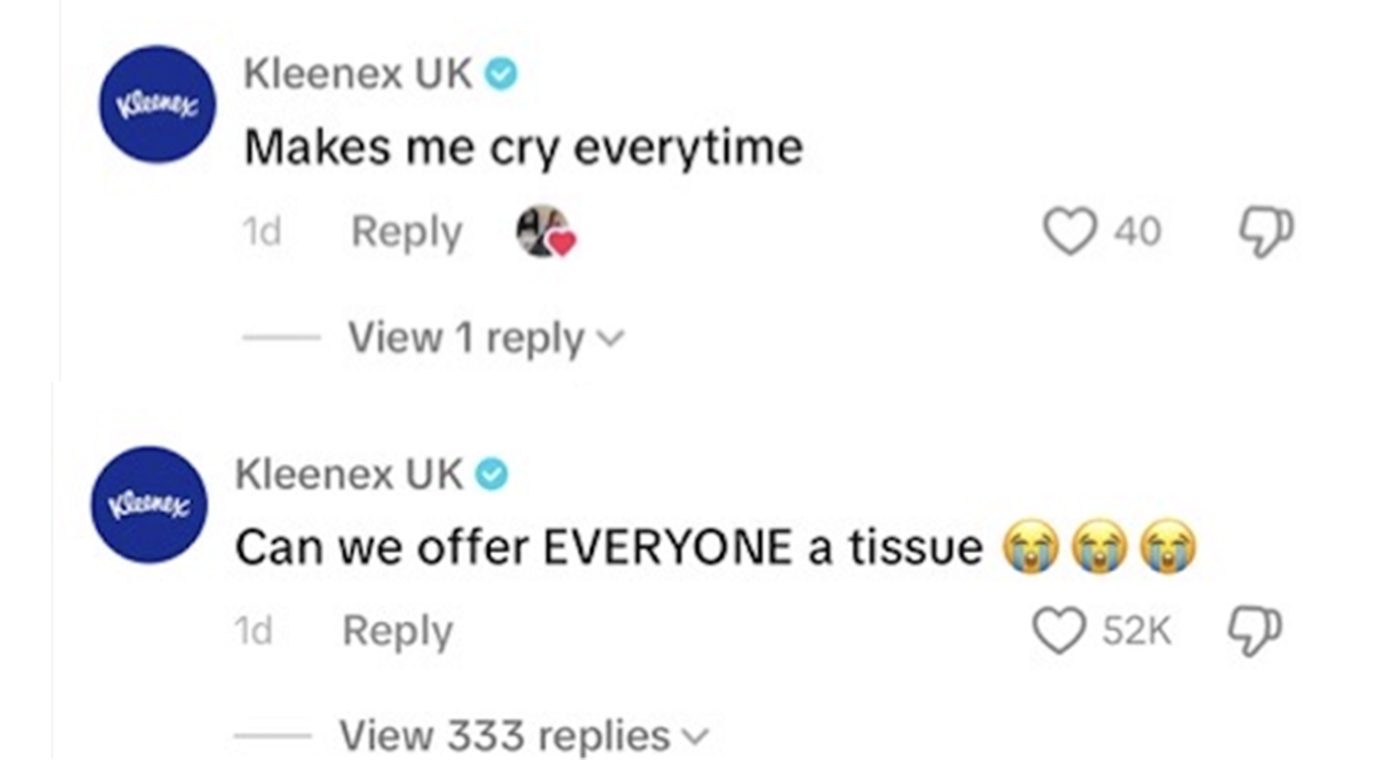
Kleenex does this well. They show up in comment sections responding to UGC with replies like, ‘can we offer EVERYONE a tissue?’ It’s human, it makes sense for the brand to be there and it’s reactive, which is why it works so well.
Community management can be overlooked in favour of bigger campaigns, but this is where emotional bonds are built. Campaigns are important for engagement but virality shouldn’t be a social-first KPI. It won’t build lasting brand equity if you don’t engage with your audience and build your community alongside.
Be Insightful
Do we understand the culture and how to show up?
With the huge successes of influencer marketing and platforms like TikTok Shop, we cannot deny that social media is also a sales platform. But most people don’t open TikTok to be sold to. They’re there to learn, laugh or switch off. Too often, social media can be seen as just a shortcut to sales.
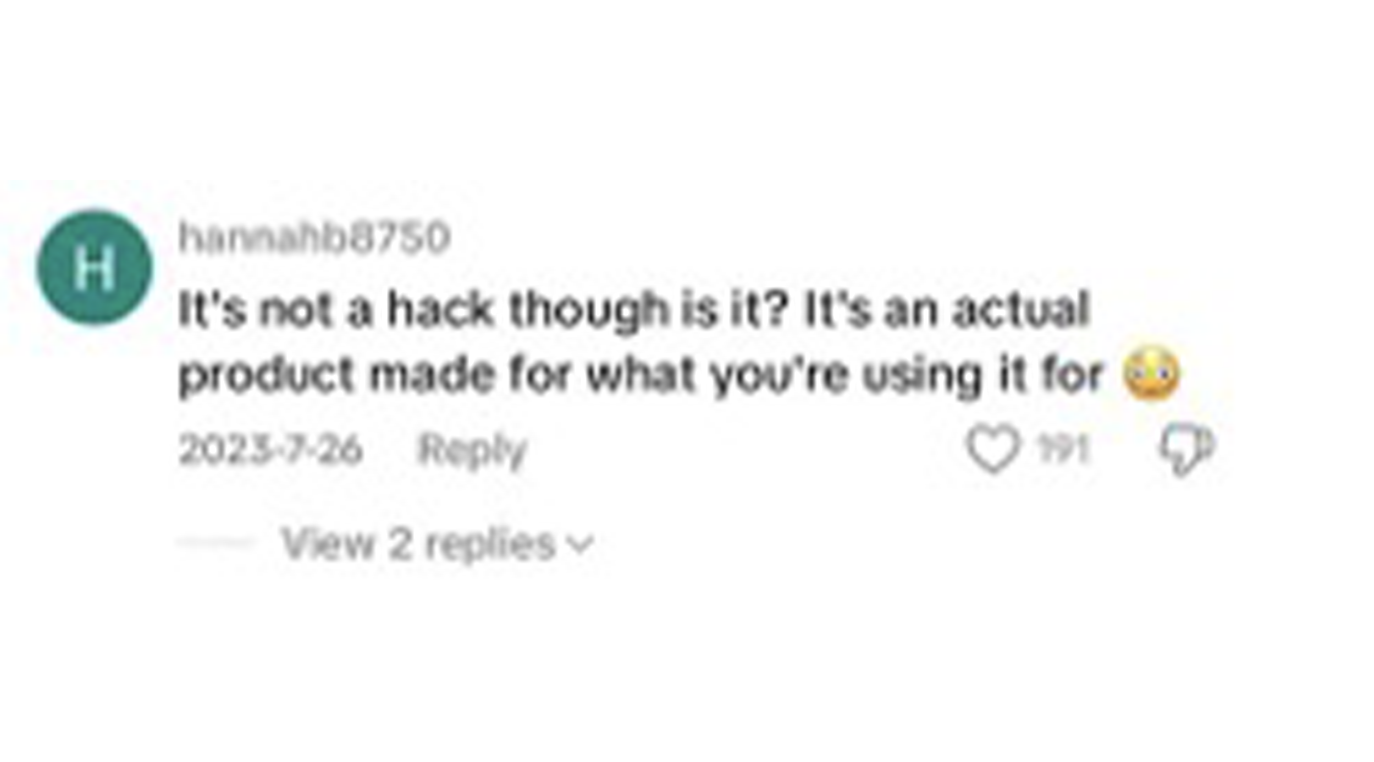
Take ‘hacks’ as an example. They have become an evergreen trend tapping into a real consumer need, convenience. However, sometimes we see product placement being framed by creators as a ‘hack’, e.g. “Want clean floors? Use this vacuum cleaner!” That’s not a hack; it’s someone instructing you to use a product in its intended way. A real hack reframes a product in a way you’ve not considered before, or gives you a shortcut way of doing something you’d not considered.
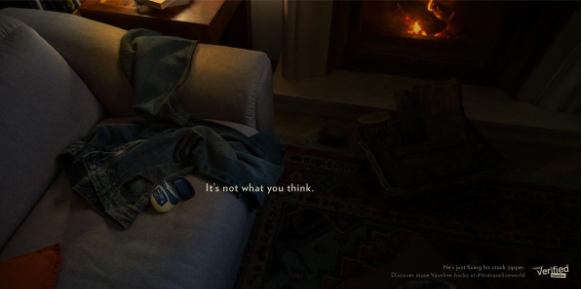
A brand that has tapped into ‘hacks’ well is Vaseline with their global campaign, ‘Vaseline Verified’. They built the campaign with their community, taking thousands of user-generated ‘hacks’, scientifically verifying the safe and practical ones in a lab and giving them the ‘Vaseline Verified’ seal whilst also dispelling dangerous myths about uses of their product. It worked because it addressed a core product truth – people use Vaseline in a multitude of ways. It didn’t push product in a sales-y way and instead celebrated that truth.
Conclusion
Ultimately, being Social First can come down to four simple things: be real, be distinctive, be engaged and be insightful.
Being Social First is not about being on social. It’s about building connections with your audience. To be truly social first is a long game that needs to be rooted in culture, trust and authenticity. Nurture your relationship with your audience and show up for the trends that make sense for your brand, not just the ones making the most noise.
When done right, a great social presence can give you something far more valuable than virality: a lasting bond with your community.