
All posts
Building New Bonds, Honouring Old: The Real Work of Brand Longevity

This article was written by one of Epoch’s Senior Strategists, Jemma Adams
Heritage brands occupy a unique place in culture. They aren’t just old companies, but authentic institutions, founded by real people with real values and sustained by years, sometimes centuries, of earned meaning.
Their history is an asset, infused with emotion, culture and nostalgia.
Consumers don’t just buy products; they form relationships with brands. In this context, heritage brands are long-term relationships with depth, history, and trust. But a rich history alone doesn’t guarantee relevance. History is only useful if it’s kept in motion.
Because the best heritage brands aren’t static monuments – they’re living, evolving entities.
Too often, these storied brands fall into the trap of stagnation. When brands do the same thing for too long, they often drift from the very identity they built their success on. Time, culture, and tastes evolve – and if a brand stands still, it becomes irrelevant.
But swing too far in the other direction, and you risk losing decades of enviable equity. The fates of Tropicana, GAP, and Jaguar are cautionary tales: not just commercial or operational defeat, but a deeper failure to adapt meaningfully.

When trouble looms, many brands attempt a drastic rebrand – changing logos, names, identities – and in doing so, erase years of carefully built memory structures. Bulldozing the house because they got bored of the curtains. These scorched-earth overhauls are often a cover for years of strategic neglect:
Rebranding – in which we not only attempt to change the perception of the brand but also its name and livery – is an unpalatable option. You do it for only one reason – because for legal reasons you have to. Professor Mark Ritson
The true path to relevance? Brand revitalisation.
Revitalisation is a quieter, more disciplined approach. It doesn’t chase headlines or champagne launch parties. It works through strategic, measured and intentional evolution – refining positioning, modernising tone of voice and refreshing visual assets every 3-5 years.
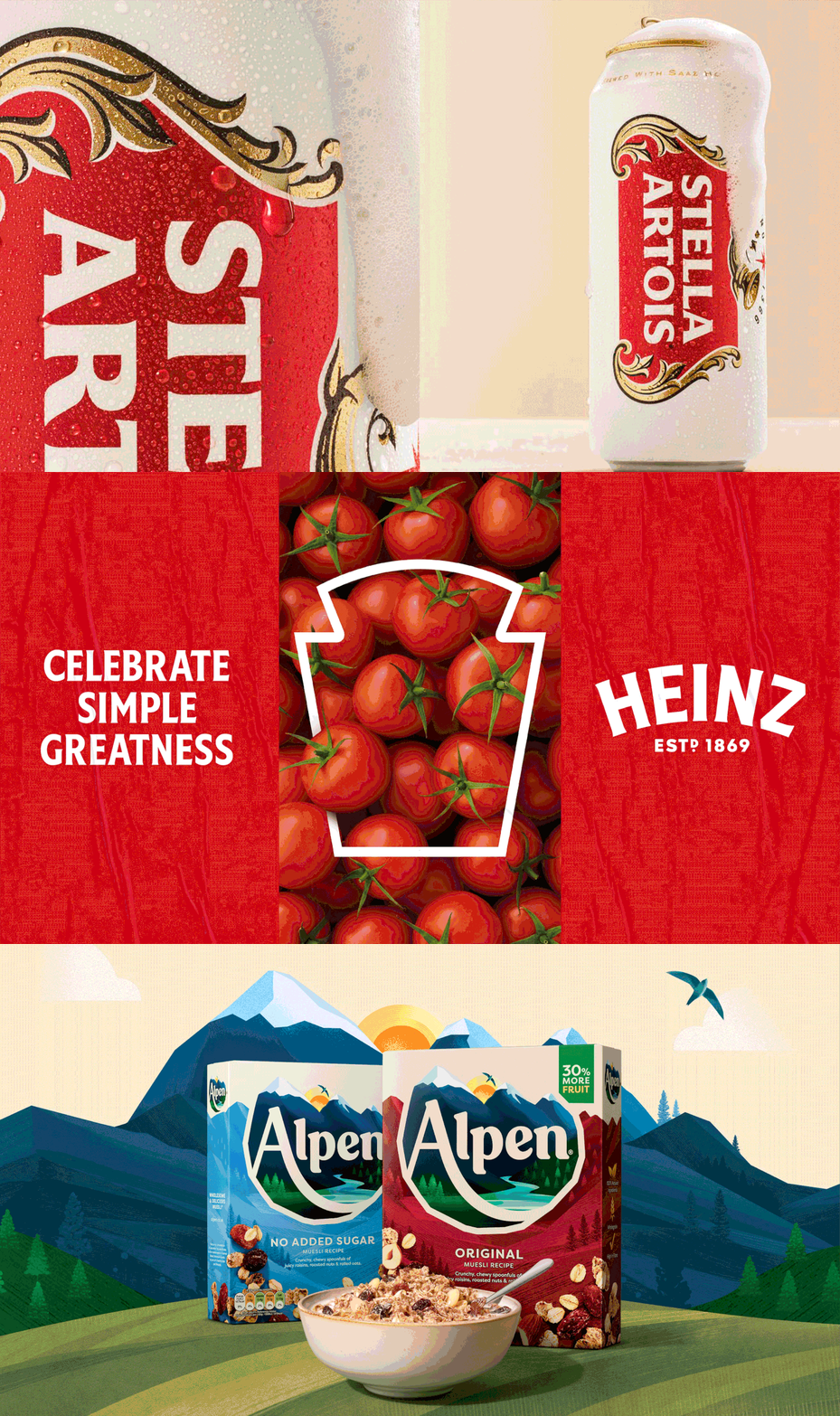
Revitalisation respects heritage and aligns with the present without abandoning the past. But most importantly it protects and preserves brand equity. The revival of Heinz’ iconic keystone, Stella’s modernised cartouche and Alpen’s reimagined mountain range are masterclasses in brand revitalisation done right. Honouring the past while moving firmly into the future.
That balance – between consistency and change – is the key to survival.
The most successful revitalisation case studies protect meaning, not just memory. They don’t attempt to manufacture relevance – they remain relevant by moving at the same pace as people and culture. This means investing in creative that’s adaptable, not rigid; prioritising consistency over shock value; and letting values, not trends, drive the evolution.
Heritage is only baggage if you stop moving. When managed well, it’s your most powerful asset. You don’t need to ‘target Gen Z’ you need to stay relevant – to people, to culture, to now.
Because in the end, the brands that endure aren’t the ones that reinvent themselves every decade. They’re the ones that evolve continuously, intentionally, and with just enough sensitivity to recognise when staying true means being ready to change.